
Contrary to Popular Belief, Stomach Ulcers Can Be Cured
Many people believe that once you have stomach ulcers, you live with them for life. The truth is that stomach ulcers can be cured — as long as the cause is identified and the treatment is followed all the way through.
H. Pylori: The Bacterium Behind Most Stomach Ulcers
*Helicobacter pylori*, usually shortened to H. pylori, is the bacterium most often behind stomach ulcers. Infection typically happens in childhood, when hygiene is hard to keep up. Once inside the body, H. pylori can live quietly in the digestive system for years without causing any symptoms.
You can also pick it up through:
- saliva and other body fluids from an infected person,
- contaminated food,
- unsafe drinking water, and
- plates and cups washed in contaminated water.
Global studies estimate that roughly half of the world's population carries H. pylori. Infection rates are highest in communities without reliable clean water and sanitation.
Why Doesn't Everyone With H. Pylori Get Ulcers?
Most people with H. pylori never feel a thing. Only an estimated 1 in 10 to 1 in 5 infected people go on to develop stomach ulcers, and scientists still can't say for certain why some people do and others don't.
How H. Pylori Causes Ulcers
Your stomach has a protective lining that shields its tissue from the acid used to digest food. H. pylori weakens that lining, either inside the stomach or in the first part of the small intestine. Once the lining breaks down, acid reaches the tissue underneath, causing inflammation — and that inflammation turns into ulcers.
Left untreated, ulcers can lead to internal bleeding, further infection, or a blockage that stops food moving properly through the digestive tract.
Common Symptoms of Stomach Ulcers
If you have several of the following, there's a good chance you have an H. pylori infection that has started causing ulcers:
1. Bloating
2. Frequent belching
3. Nausea and vomiting
4. General stomach discomfort
5. Loss of appetite
6. Unexplained weight loss
7. Heartburn
8. Bad breath
Warning Signs: Get to a Hospital Right Away
More serious ulcers can cause:
1. Severe stomach pain
2. Vomiting blood
3. Blood in the stool, or black, tar-like stool
4. Dizziness
5. Difficulty breathing
6. Unexplained fatigue
If you notice any of these, seek medical care immediately.
Get Tested First
If you have some or all of these symptoms, go to a hospital for tests. The point is to know for sure, because other conditions can cause very similar symptoms.
For example, regular use of painkillers known as NSAIDs (non-steroidal anti-inflammatory drugs) — such as ibuprofen, diclofenac and aspirin — can also cause ulcers. Like H. pylori, NSAIDs damage the stomach's protective lining.
The World Health Organization also classifies H. pylori as a cause of stomach cancer. That's one more reason to take ulcers seriously and get treated early.
Hospital Treatment — and Why So Many People Don't Heal
Hospitals treat H. pylori with a combination of common antibiotics such as amoxicillin, tetracycline and metronidazole (Flagyl). But in practice, killing the bacteria alone isn't enough to heal ulcers that have already formed.
To heal the ulcers completely, treatment also has to control stomach acid and calm the inflammation. That's why hospital treatment adds acid-reducing medicines, and medicines that block histamine — a body chemical that, among other things, signals the stomach to produce acid.
This treatment lasts several weeks and means swallowing a lot of tablets every day. That may be the biggest reason so many people never fully recover: most of us stop taking the medicine as soon as we start to feel better. If you've been given a course of treatment, finish all of it as your doctor directs.
Ulcers That Won't Heal? Visit Herbal Impact
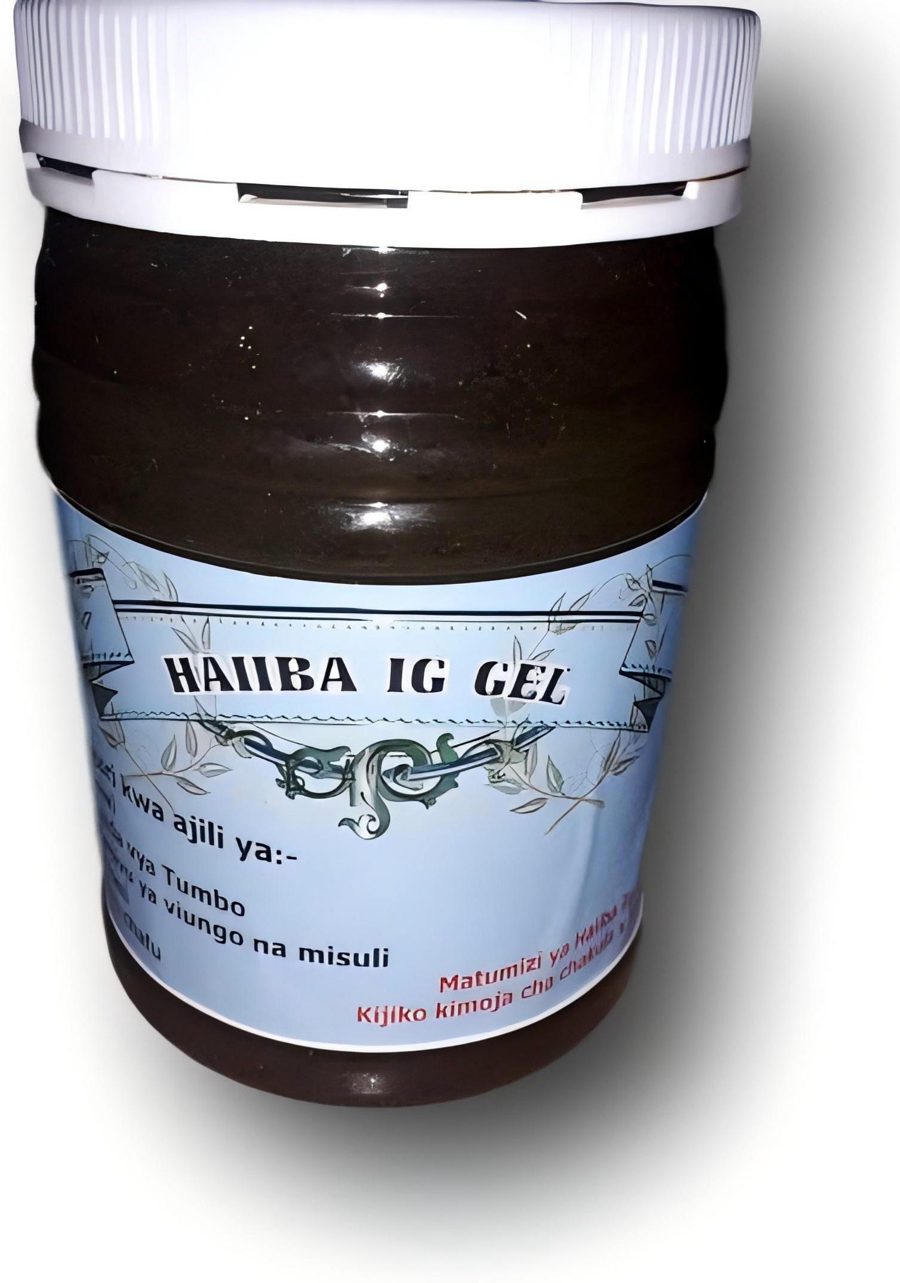
If your stomach ulcers just don't seem to heal, whatever the reason, come and see us at Herbal Impact in Dar es Salaam. Our herbal food supplement, HAIIBA IG, has helped many of our clients with stomach ulcers — many of whom had struggled for a long time before they started using it. We recommend using it alongside your doctor's advice.
Contact us:
- Phone: +255 754 281 131
- WhatsApp: +255 655 281 131
- Email: info@wellbizsolutions.co.site
- Visit: Mosque Street, Kitumbini, Dar es Salaam (opposite the Sunni mosque) — look for the HERBAL IMPACT sign.
Want to see everything we offer? Download our free Herbal Impact Products & Services Guide.