
Building Daily Rituals for Lasting Wellness
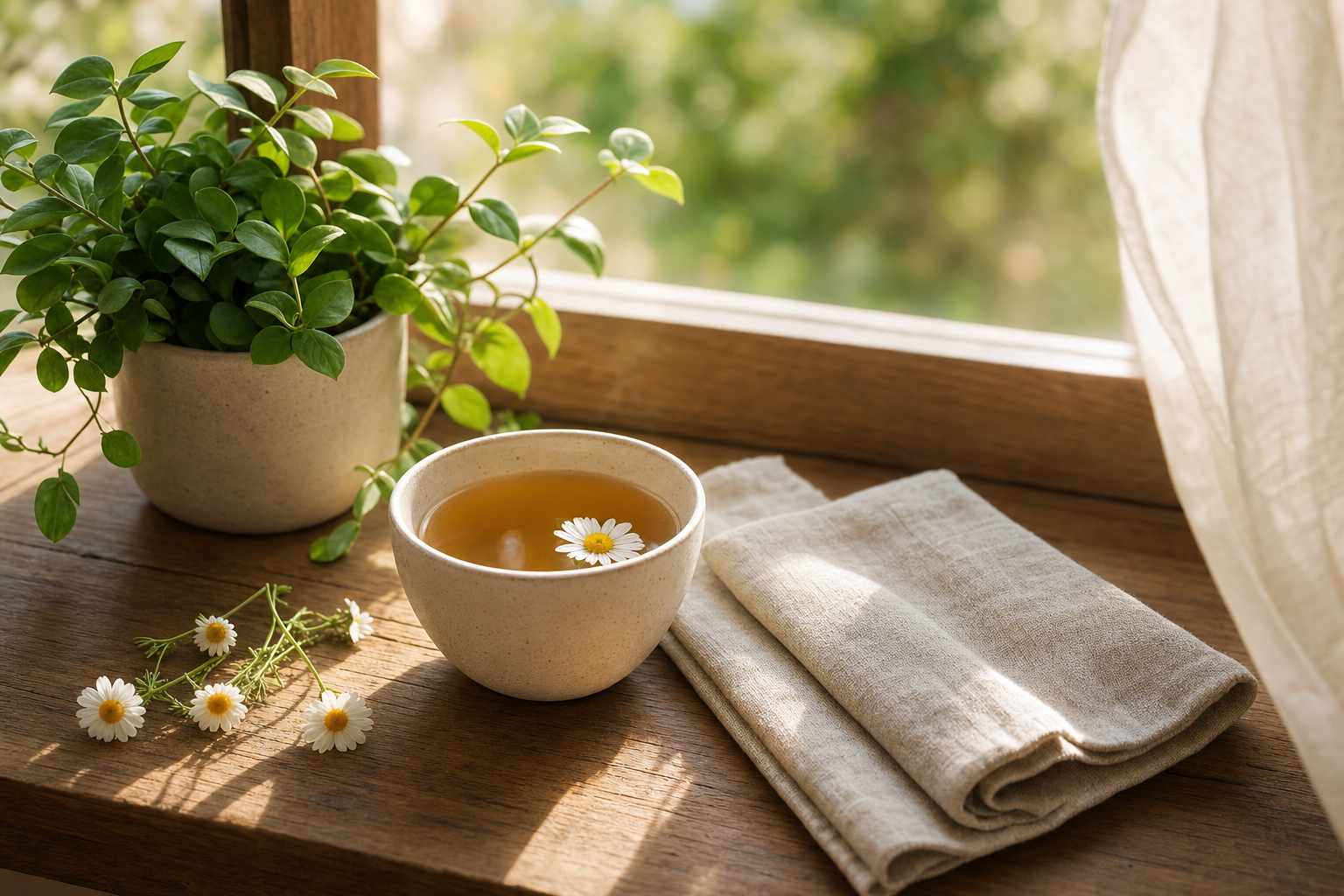
Lasting wellness is not built on big, dramatic changesâit's built on small daily rituals that you repeat so often they become part of who you are. Think of rituals as "automatic acts of self care": simple, meaningful habits that anchor your day, protect your energy, and keep your body and mind on track even when life feels busy or chaotic.
This article explores how to design and maintain powerful daily rituals so wellness becomes a natural lifestyle, not a temporary project.
Why Daily Rituals Matter More Than Motivation
Motivation is like weatherâit changes, comes and goes, and cannot be fully controlled. Rituals are like architecture: once built, they stay in place and support you every day.
When you turn wellness actions into rituals:
- You reduce decision fatigue â you don't wake up wondering whether to drink water or exercise, you just do it.
- You create rhythm and predictability, so your body and mind trust that certain forms of care will arrive at specific times.
- You build identity â over time, you stop "trying to be healthy" and simply become someone who lives in a healthy way.
Rituals work because they connect actions to meaning. Drinking herbal tea is one thing; drinking it as a conscious signal to slow down, breathe, and listen to your body is another. That layer of intention is where the power lies.
The Four Pillars of Lasting Wellness Rituals
To build daily rituals that truly last, it helps to think in four pillars: body, mind, environment, and connection. You don't need dozens of habits in each areaâjust one or two simple rituals that you can repeat every day.
1. Body Rituals: Nourish and Move
- Morning hydration ritual: a glass of water with lemon or herbal tea as the first thing you consume each day.
- Movement ritual: a brief walk, stretch session, or simple exercise routine at a fixed time.
- Nourishment ritual: one intentional meal per day where you slow down, chew properly, and avoid screens.
The goal is not perfection but stability. It is better to walk 15 minutes daily for a year than to do intense workouts for two weeks and stop.
2. Mind Rituals: Center and Calm
- 5 minutes of quiet breathing or meditation every morning.
- A short journaling ritual in the evening to reflect on your day, gratitude, and lessons learned.
- A "pause before reaction" ritual: taking three deep breaths before responding to messages or stressful situations.
These rituals act like mental hygiene: they keep emotional clutter from building up and give your nervous system regular moments of safety.
3. Environment Rituals: Shape Your Space
- Night time reset: 10 minutes each evening to tidy a small area to create a calm space for the next morning.
- Wellness corner: a dedicated place where you keep your journal, herbal teas, books, or exercise mat.
- Digital boundary ritual: setting times when notifications are off and devices are away from your immediate space.
By changing your environment in small, predictable ways, you make good choices easier and unhealthy choices less automatic.
4. Connection Rituals: Nurture Relationships
- Daily check in: a short, meaningful message or call to a friend, family member, or partner.
- Shared meal ritual: eating together and talking without screens.
- Gratitude messages: regularly telling people what you appreciate about them.
Connection rituals remind you that wellness isn't only about yourselfâit includes how you give and receive support.
Designing Your Personal Wellness Rituals
Step 1: Choose Your Anchors
Anchors are fixed moments in your day that already existâwaking up, brushing teeth, making coffee, commuting, lunch break, bedtime. Instead of trying to invent new times, attach new rituals to anchors. Anchoring rituals to existing habits makes them easier to remember and repeat.
Step 2: Start Small and Specific
Rituals fail when they are too ambitious. Make each ritual small enough that you can do it even on a busy or low energy day, and be specific: "Walk 10 minutes after dinner" is better than "Exercise more." When you prove to yourself you can keep small promises, you build confidence to expand them later.
Step 3: Attach Meaning, Not Just Tasks
Tasks feel heavy; rituals feel meaningful. Give each ritual a role or messageâfor example, morning hydration can be "how I say thank you to my body for carrying me." When a ritual becomes a symbol of something important, you are far more likely to protect it.
Keeping Rituals Alive in Real Life
Even well designed rituals will face challenges: busy schedules, travel, stress, lack of motivation. The key is to build flexibility and self compassion into your system.
Use the "Minimum Ritual" Rule
Define the simplest version of each ritual that still counts. If you usually walk 20 minutes, your minimum ritual is 5 minutes. On difficult days, do the minimum instead of skipping. This keeps the identity and rhythm intact, even when circumstances are not ideal.
Plan for Transitions and Disruptions
Rituals often break when life changesânew job, travel, illness, or major family events. Before or during transitions, ask which rituals are non negotiable for your wellbeing, and how you can adapt them to the new reality.
Be Kind, Not Perfect
Lasting wellness comes from patience, not pressure. Missing a ritual is not failureâit's information. Instead of guilt, ask why you missed it and what needs to change, then adjust and continue. The goal is not a flawless streak; it is a sustainable lifestyle.
Example: A Simple Daily Wellness Ritual Plan
- Morning: Drink water or herbal tea after brushing teeth; take a few deep breaths before checking your phone.
- Midday: Walk or stretch after lunch; send one intentional message to someone you care about.
- Evening: Spend 10 minutes resetting your space; write three lines in a journal; practice a short calming ritual before sleep.
This is not a strict schedule; it's a template you can adjust according to your culture, work rhythm, and personal preferences.
Daily Rituals as a Long Term Investment
Building daily rituals for lasting wellness is like planting seeds. At first, the changes look small and almost invisible: one glass of water, one short walk, one deep breath before replying, one message sent with care. But over weeks and months, these small acts reshape your energy, mood, resilience, and even how you see yourself.
When your rituals reflect your valuesârespect for your body, care for your mind, appreciation for othersâthey become a quiet daily declaration: I matter, my wellbeing matters, and I choose to live like it.