
How to Brew the Perfect Medicinal Herbal Tea
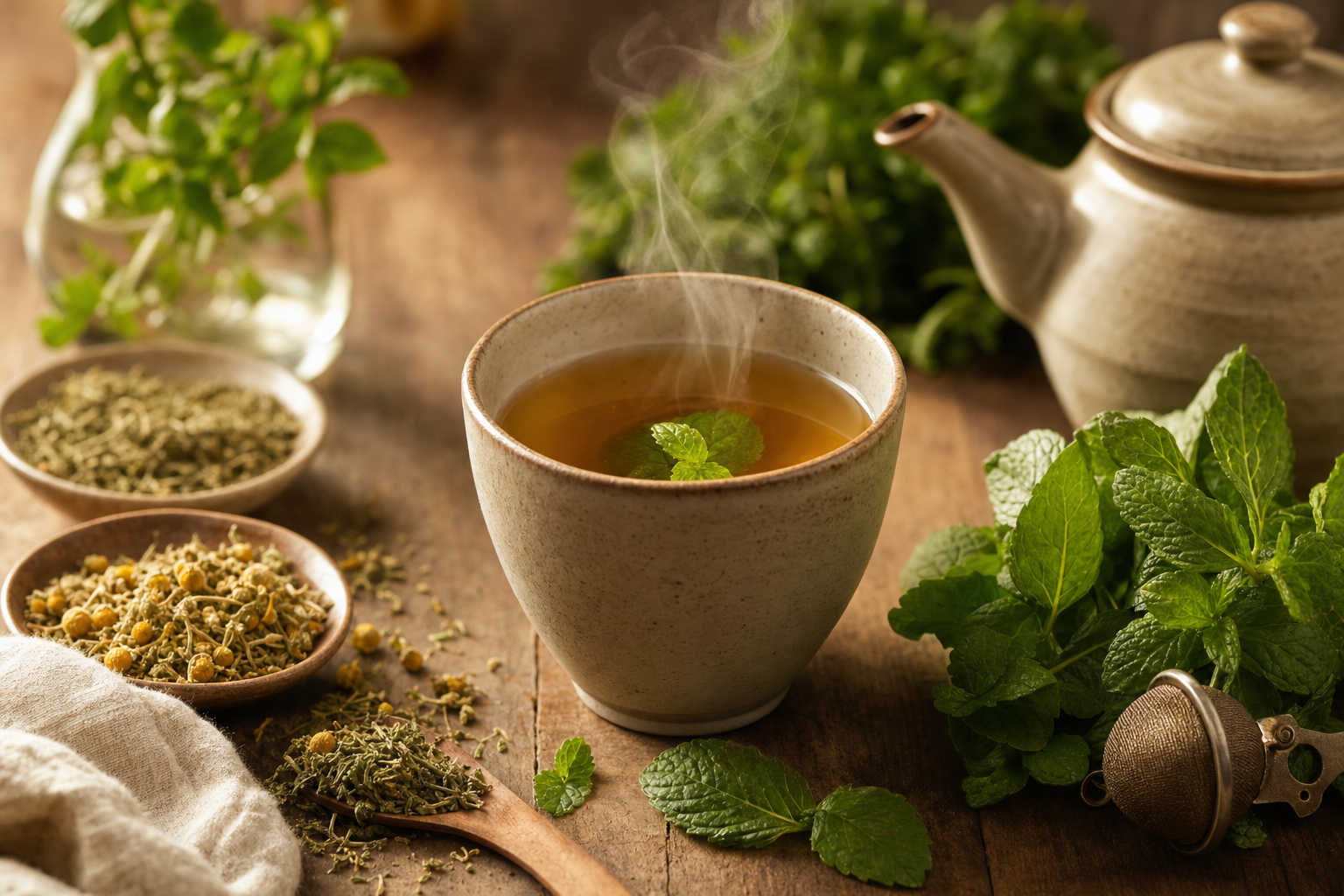
Herbal tea is one of the oldest and simplest ways to support wellness. From ginger for digestion to chamomile for sleep, people in every culture have used plants in hot water to soothe, strengthen, and heal. Yet most people make herbal tea too quickly: a little herb, a splash of hot water, a one minute steepâand then they wonder why they don't feel much effect.
Brewing medicinal herbal tea is about extraction. You're inviting the plant's aroma, flavors, vitamins, minerals, and other active compounds into the water. To do that well, you need four things: the right herbs, the right method, enough time, and consistency.
Step 1: Start with a Clear Intention
Before you even heat the water, ask a simple question: What do I want this tea to do?
Some common intentions:
- Calm nerves and reduce stress
- Support digestion after meals
- Ease colds or support immunity
- Promote better sleep
- Warm the body and improve circulation
Once your intention is clear, you choose herbs that match it. For example:
- Relaxation and sleep: chamomile, lavender, lemon balm, passionflower
- Digestion: peppermint, ginger, fennel, chamomile
- Immune support: ginger, garlic, elderflower, tulsi (holy basil)
- Stress and mood: tulsi, lemon balm, rose, oatstraw
This simple step helps you design targeted blends instead of random "everything" teas.
Step 2: Know Your Plant Parts â Infusion vs Decoction
Not all herbs are brewed the same way. The part of the plant you use determines the technique:
- Leaves and flowers (soft, light plant parts) do best with an infusion â pour hot water over the herbs and steep.
- Roots, bark, and seeds (tough, dense parts) need a decoction â gently simmered in water for longer to pull out their deeper constituents.
You can remember it simply: soft parts soak in hot water, hard parts simmer in water. If your blend combines bothâsay ginger root with peppermint leavesâsimmer the roots first, turn off the heat, add the leaves and flowers, then cover and let steep. This layered approach gives you a stronger, more balanced medicinal tea.
Step 3: The Hot Infusion â Everyday Medicinal Tea
A hot infusion is what most people mean when they say "herbal tea," but we'll make it medicinal strength instead of a weak brew.
Basic hot infusion method
- Measure your herbs: about 1 tablespoon of dried herb per standard mug (around 250 ml).
- Boil your water: use freshly boiled water, not water that has been sitting in a kettle for hours.
- Combine and cover: pour boiling water over the herbs in a teapot or jar, then cover immediately to keep aromatic oils from escaping.
- Steep long enough: at least 15â20 minutes for a medicinal infusion, longer for a stronger brew.
- Strain and enjoy: drink warm, sweetened with honey or lemon if you like.
For daily wellness, one to three cups of this kind of infusion is common. Consistent, moderate use is usually more effective than one very strong dose.
Step 4: The Decoction â Strong Tea for Roots and Spices
Some of the most powerful medicinal herbs live in roots and bark: ginger, turmeric, cinnamon, licorice, astragalus, and more. These require a decoction, which is simply a long, gentle simmer.
Basic decoction method
- Add about 1â2 teaspoons of dried roots or bark per cup of water.
- Place the herbs in a pot with cool water, bring slowly to a boil, then reduce to a low simmer.
- Cover and simmer for 20â60 minutes depending on desired strength.
- Strain and drink warm, or mix with softer herb infusions.
Decoctions are excellent for "tea style" medicinal teas, immune tonics, or warming blends for cold weather.
Step 5: Cold Infusions â Gentle, Mineral Rich Teas
Hot water extracts certain compounds; cold water gently draws out others, especially minerals. Cold infusions are perfect for delicate herbs and hot climates, producing smooth, refreshing teas.
Basic cold infusion method
- Place your herbs in a jar or jug and add cool, clean water.
- Cover and let sit for 8â12 hours (often overnight).
- Strain and drink cool or at room temperature.
Nettle, hibiscus, oatstraw, and some floral blends do very well as cold infusions, and are a good way to keep a gentle "daily tonic" in the fridge.
Step 6: Dosage, Frequency, and Consistency
The "perfect" medicinal herbal tea isn't just about one cupâit's about how you use it over time. For general wellness, 1â3 cups per day is a reasonable range. For more focused support, some people drink up to a litre spread across the day. Listen to your body and adjust the strength and frequency based on how you feel.
Step 7: Practical Tips for Better Herbal Tea
- Use good herbs: vibrant color, strong aroma, no signs of mold or staleness.
- Cover while brewing: keeps volatile compounds from escaping.
- Mind the taste: balance intense herbs with gentle onesâpeppermint for freshness, chamomile for softness, rose for aroma.
- Sweeten wisely: small amounts of honey rather than lots of sugar.
- Respect your body: check with a qualified practitioner if pregnant, on medication, or managing a condition.
Bringing It All Together
Brewing the perfect medicinal herbal tea is a rhythm, not a rigid rule. Choose herbs that match your intention, use the right method for their plant part, steep or simmer long enough, and drink them consistently. Over time, your herbal teas stop being "just hot drinks" and become a quiet daily practice of self careâsupporting digestion, calming your nervous system, strengthening your immunity, and reconnecting you with the healing power of plants.